

Rope Access for Skyscraper Painting: Process and Benefits
Maintaining the exterior of skyscrapers in cities like Dubai, New York, or Singapore is no easy task. Traditional methods like scaffolding or aerial lifts are often expensive, time-consuming, and sometimes unsafe. Rope access for skyscraper painting has emerged as a highly efficient and cost-effective solution.
In this article, we explore the process, benefits, and real-world applications of rope access in high-rise painting projects.
What is Rope Access?

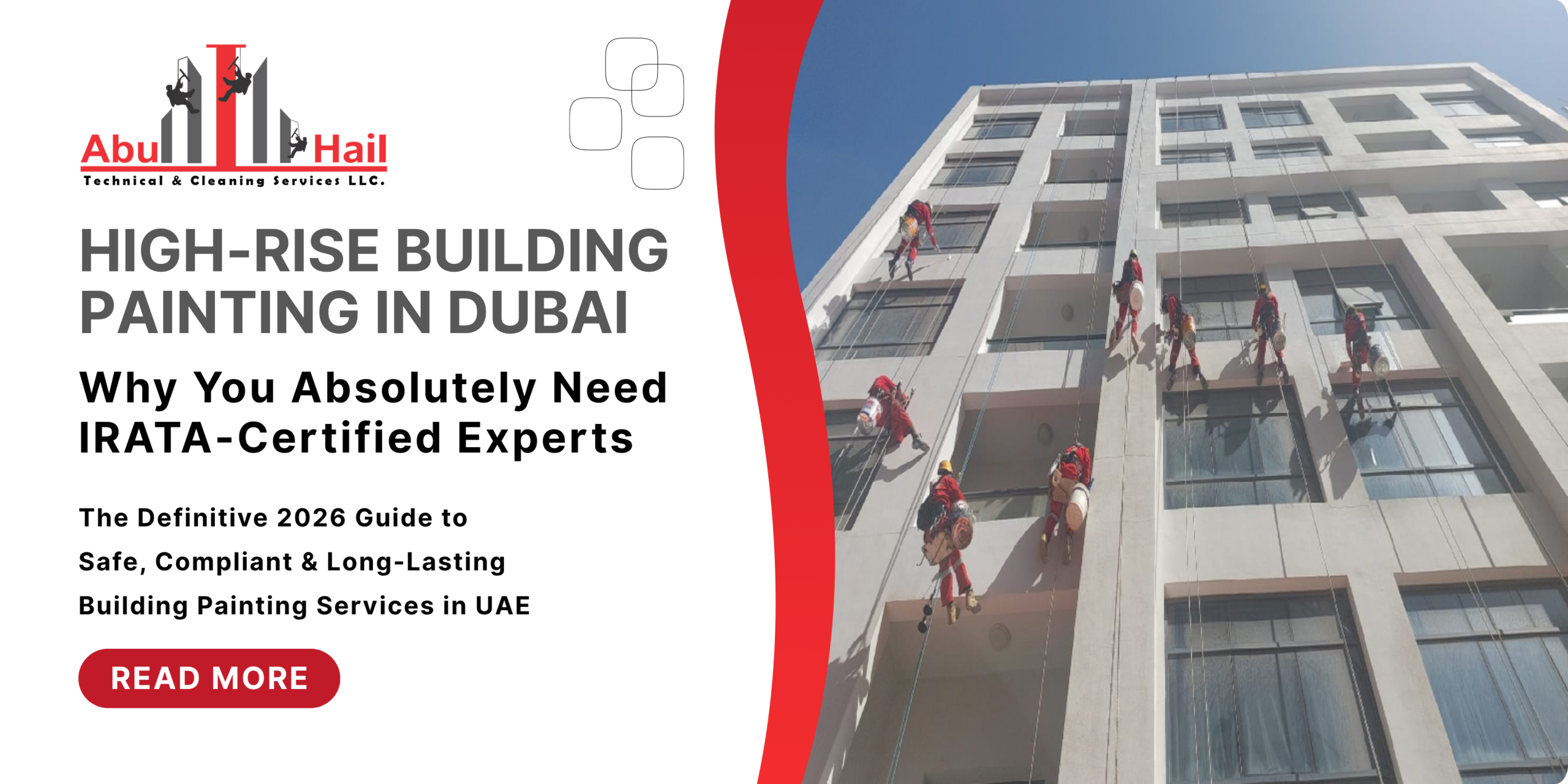
Rope access is a method of reaching difficult-to-access areas using specialized ropes, harnesses, and safety equipment. Initially used for industrial inspection and maintenance, rope access is now widely applied in construction, cleaning, painting, and inspection of high-rise buildings.
Technicians are certified under international standards such as IRATA (Industrial Rope Access Trade Association) or SPRAT (Society of Professional Rope Access Technicians), ensuring strict adherence to safety protocols.
Why Rope Access is Ideal for Skyscraper Painting
Painting a skyscraper involves several challenges:
Extreme heights and exposure to strong winds
Limited access to building exteriors
Complex architectural features
Minimizing disruption to occupants and surrounding areas
Rope access addresses all these challenges. Unlike scaffolding, which can take weeks to install, rope access teams can reach any part of a building quickly, safely, and with minimal disruption.
The Rope Access Painting Process
1. Site Survey and Planning
Before painting, a comprehensive site survey is conducted:
Assess building height, facade type, and architectural features
Analyze weather conditions and wind patterns
Plan anchor points and rope setups
Estimate project timelines, materials, and manpower
This ensures an efficient, safe, and well-coordinated painting project.
2. Surface Preparation
Proper surface preparation is crucial for paint adhesion:
Cleaning: Pressure washing or mild detergents to remove dirt and dust
Repair: Filling cracks, chips, or damaged areas
Masking: Covering windows, vents, and sensitive equipment
A clean, smooth surface ensures a professional, long-lasting finish.
3. Rope Setup and Safety Checks
Certified technicians set up the rope access system:
Primary and secondary ropes anchored securely
Harnesses, lanyards, and descenders inspected
Emergency rescue systems tested
Safety is the top priority, following strict international standards.
4. Application of Paint
Painting is carried out carefully and systematically:
Spray Painting: For large, flat surfaces
Brush or Roller: For edges and intricate designs
Multiple Coats: Ensuring durability and resistance to weathering
Technicians work from top to bottom or in sections for consistent coverage.
5. Inspection and Quality Check
Post-painting inspection ensures quality:
Check coverage, uniformity, and texture
Perform touch-ups if required
Provide documentation and reports for client assurance
6. Cleanup and Rope Removal
Once painting and inspection are complete:
Remove masking materials and excess paint
Carefully dismantle ropes, anchors, and harnesses
Ensure the surrounding area is clean and safe
Benefits of Rope Access for Skyscraper Painting
1. Cost-Effective
Rope access reduces costs compared to scaffolding by minimizing materials, manpower, and installation time.
2. Time-Saving
Projects can start almost immediately and finish faster than traditional methods, reducing building downtime.
3. Enhanced Safety
Double-rope systems, certified technicians, and emergency protocols minimize risk at extreme heights.
4. Minimal Disruption
Rope access occupies minimal space, allowing building operations and surrounding traffic to continue uninterrupted.
5. Access to Difficult Areas
Complex architectural features can be painted efficiently, including overhangs, curves, and intricate designs.
6. Eco-Friendly
Rope access generates less waste than scaffolding and reduces material consumption, making it environmentally friendly.
Rope Access vs. Traditional Methods
| Feature | Rope Access | Scaffolding / Lift |
|---|---|---|
| Setup Time | Hours | Days/Weeks |
| Cost | Lower | Higher |
| Safety | Certified & controlled | Higher risk |
| Accessibility | Full | Limited |
| Environmental Impact | Minimal | High |
| Disruption | Low | High |
Real-World Applications
Dubai Skyscrapers
Buildings like Burj Khalifa, Princess Tower, and Marina 101 rely on rope access for exterior maintenance. Technicians use IRATA-certified systems to ensure safety in Dubai’s high winds and heat.
Global Examples
Cities like New York, Hong Kong, and Singapore use rope access for skyscraper painting. Iconic towers, including the Empire State Building and Marina Bay Sands, benefit from this method.
Rope access has revolutionized skyscraper painting. With faster timelines, lower costs, enhanced safety, and minimal disruption, it has become the preferred choice for high-rise building maintenance worldwide.
For building owners and property managers, rope access ensures facades remain pristine and durable without the drawbacks of traditional methods.
Ensure your skyscraper is maintained safely and efficiently. Contact certified rope access professionals today for painting or facade maintenance services.