

Rope Access vs Traditional Scaffold Methods: Which is Safer and More Efficient?
In modern construction, maintenance, and industrial projects, choosing the right access method can significantly affect safety, efficiency, and cost. Traditional scaffold methods have long been used for access to heights, but with the rise of rope access services, companies are rethinking their approach.
Rope access offers flexibility, minimal disruption, and superior safety, making it ideal for complex projects. In this comprehensive guide, we will analyze rope access vs scaffolding, discuss their advantages and limitations, and provide insights to help you make informed decisions for your projects.
What Are Rope Access Services?
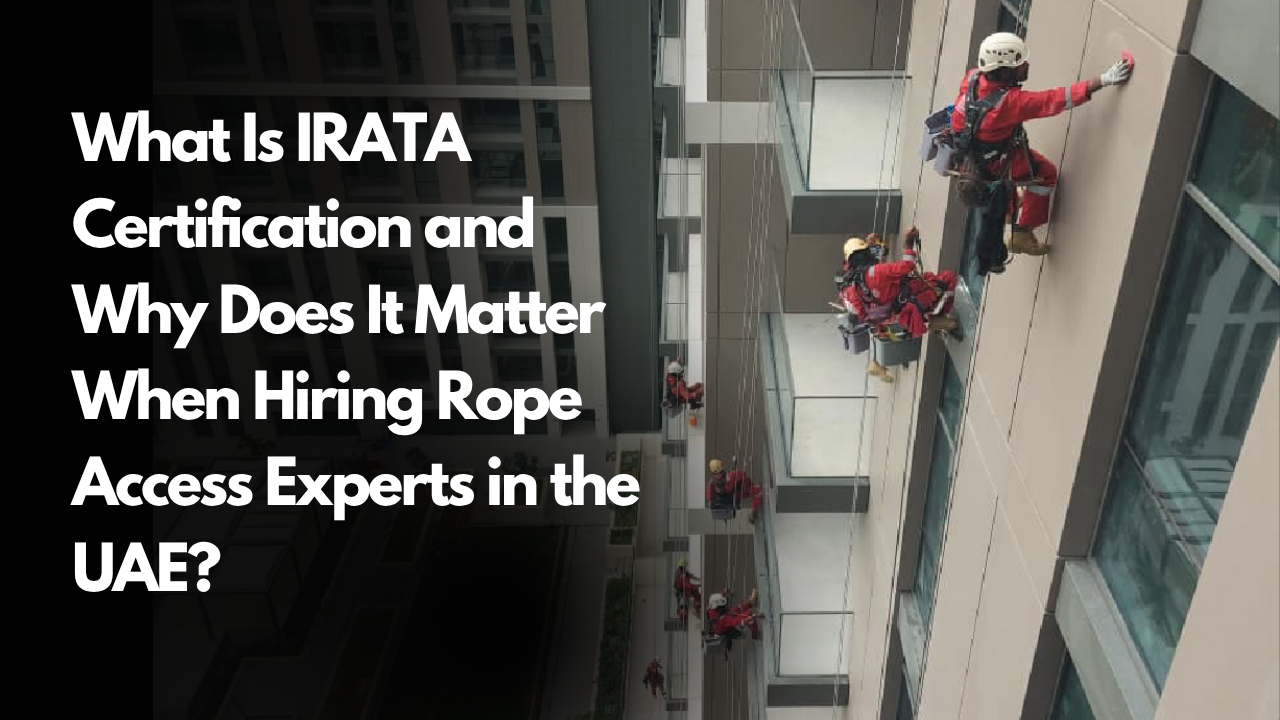
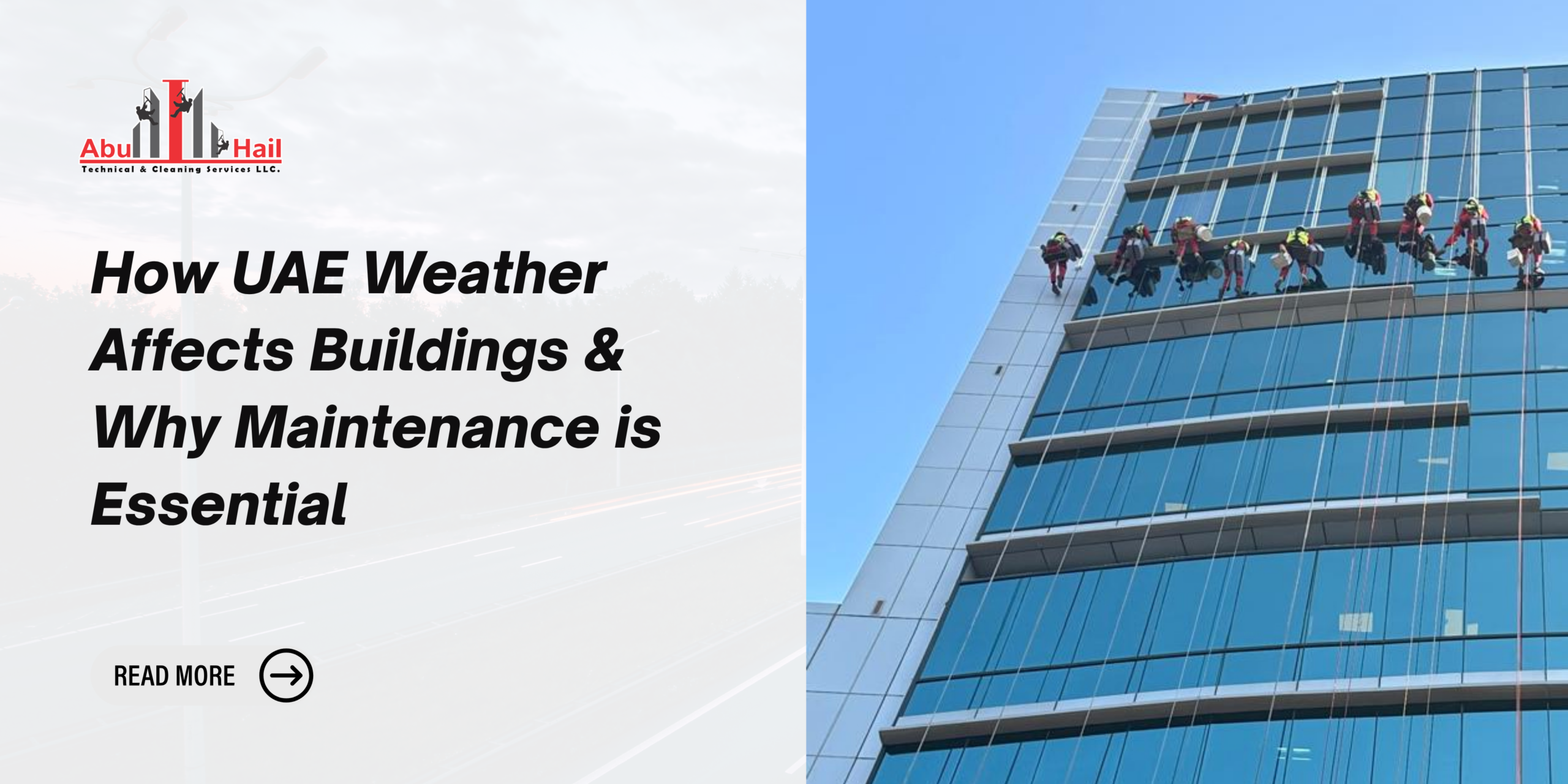
Rope access involves the use of high-strength ropes, harnesses, and safety equipment to reach difficult or dangerous locations. Originally developed in the 1980s for the oil and offshore industry, rope access has become a staple in urban construction, inspection, and maintenance.
Key Applications:
- High-rise building maintenance (windows, facades)
- Industrial inspections (turbines, chimneys, tanks)
- Painting and cleaning projects
- Bridge and infrastructure inspections
Advantages of Rope Access:
High Safety Standards: Certified technicians follow IRATA or SPRAT guidelines.
Speed & Efficiency: Can access sites in hours instead of days.
Cost-Effective: Reduced labor, equipment, and logistics costs.
Minimal Disruption: Works in confined spaces and urban areas without blocking traffic.
Environmental Friendly: Minimal footprint compared to scaffold construction.
Traditional Scaffold Methods Explained
Scaffolding is a temporary structure that provides access to high or difficult-to-reach areas. It’s widely used for construction, painting, and maintenance. Scaffolds can be tube and clamp, frame, suspended, or mobile platforms.
Advantages of Scaffolding:
- Provides a solid working platform for multiple workers
- Suitable for heavy-duty construction tasks
- Can be used on horizontal and vertical surfaces
Limitations of Scaffolding:
- Time-consuming to assemble and dismantle
- Requires more labor and material costs
- Can obstruct roads or surrounding areas
- Higher risk of accidents due to collapse or improper assembly
Safety Comparison: Rope Access vs Scaffold
Safety is a major concern in any industrial or construction project. While scaffolding provides a stable platform, the risk of accidents remains higher than rope access, especially in urban or high-rise scenarios.
Rope Access Safety Advantages:
- Technicians trained under IRATA/SPRAT standards
- Redundant anchor systems minimize fall risks
- Fewer workers exposed to hazards
- Statistical data shows rope access has fewer incidents per work hour compared to scaffolding
Scaffold Safety Risks:
- Risk of collapse if improperly constructed
- Falls from edges or unsecured platforms
- More personnel exposed to potential hazards
- Compliance requires strict supervision
Efficiency and Cost-Effectiveness
One of the biggest advantages of rope access is speed and efficiency. Setting up scaffolding can take days, whereas rope access teams can deploy in hours, saving time and reducing labor costs.
Comparison Table:
| Factor | Rope Access | Scaffolding |
|---|---|---|
| Setup Time | Hours | Days |
| Labor | 2–3 technicians | 10–15 workers |
| Equipment Cost | Low | High |
| Site Disruption | Minimal | Significant |
| Accessibility | Confined and high areas | Large surfaces only |
Cost Benefits:
- Lower labor costs due to fewer personnel
- Less material required
- Minimal impact on surrounding areas saves indirect costs
Environmental and Space Considerations
Rope access is ideal for projects with space constraints, such as narrow streets, historic buildings, and urban environments. Scaffold setups often require significant space and may block access to roads or neighboring buildings.
Examples:
- Urban facade maintenance
- Wind turbine inspections
- Bridge inspections over rivers or highways
When to Choose Rope Access Services
Rope access is ideal for:
- High-rise buildings
- Confined or complex sites
- Projects requiring minimal downtime
- Tasks with environmental restrictions
- Quick inspections and maintenance
Benefits:
- Flexible access
- Reduced cost
- Fewer safety hazards
When Traditional Scaffold Methods Are Necessary
Scaffolding may still be preferable for:
- Large horizontal or open areas
- Heavy-duty construction work
- Long-term projects requiring multiple personnel simultaneously
- Projects requiring extensive equipment support
Example: Heavy industrial painting or structural repair projects may still benefit from scaffold platforms.
Comparing Rope Access and Scaffold Across Industries
Industry Use Cases:
| Industry | Rope Access | Scaffold |
|---|---|---|
| Construction | Facade cleaning, inspections | Heavy construction, structural work |
| Oil & Gas | Chimney and tank inspections | Large platform assembly |
| Utilities | Wind turbine maintenance | Powerline construction |
| Heritage Buildings | Minimal footprint access | Not feasible in narrow streets |
FAQ Section
Q1: What are rope access services used for?
A: Rope access services are used for building maintenance, inspections, cleaning, painting, and industrial applications in areas where scaffolding is impractical.
Q2: Are rope access services safer than scaffolding?
A: Yes. With certified technicians, redundant safety systems, and fewer workers exposed, rope access shows significantly lower incident rates.
Q3: How much do rope access services cost?
A: Costs depend on project height, complexity, and duration. Generally, rope access is more cost-effective than scaffolding due to fewer labor and material requirements.
Q4: Do rope access technicians require special training?
A: Absolutely. Technicians are trained under IRATA or SPRAT standards to ensure maximum safety and compliance.
Q5: Can rope access be used for all types of buildings?
A: Rope access is versatile but most effective for vertical or difficult-to-reach areas. Horizontal or extensive areas may still require scaffolding.
Q6: Is rope access environmentally friendly?
A: Yes. Rope access minimizes the footprint, reduces waste, and prevents unnecessary disruption in urban or sensitive areas.